



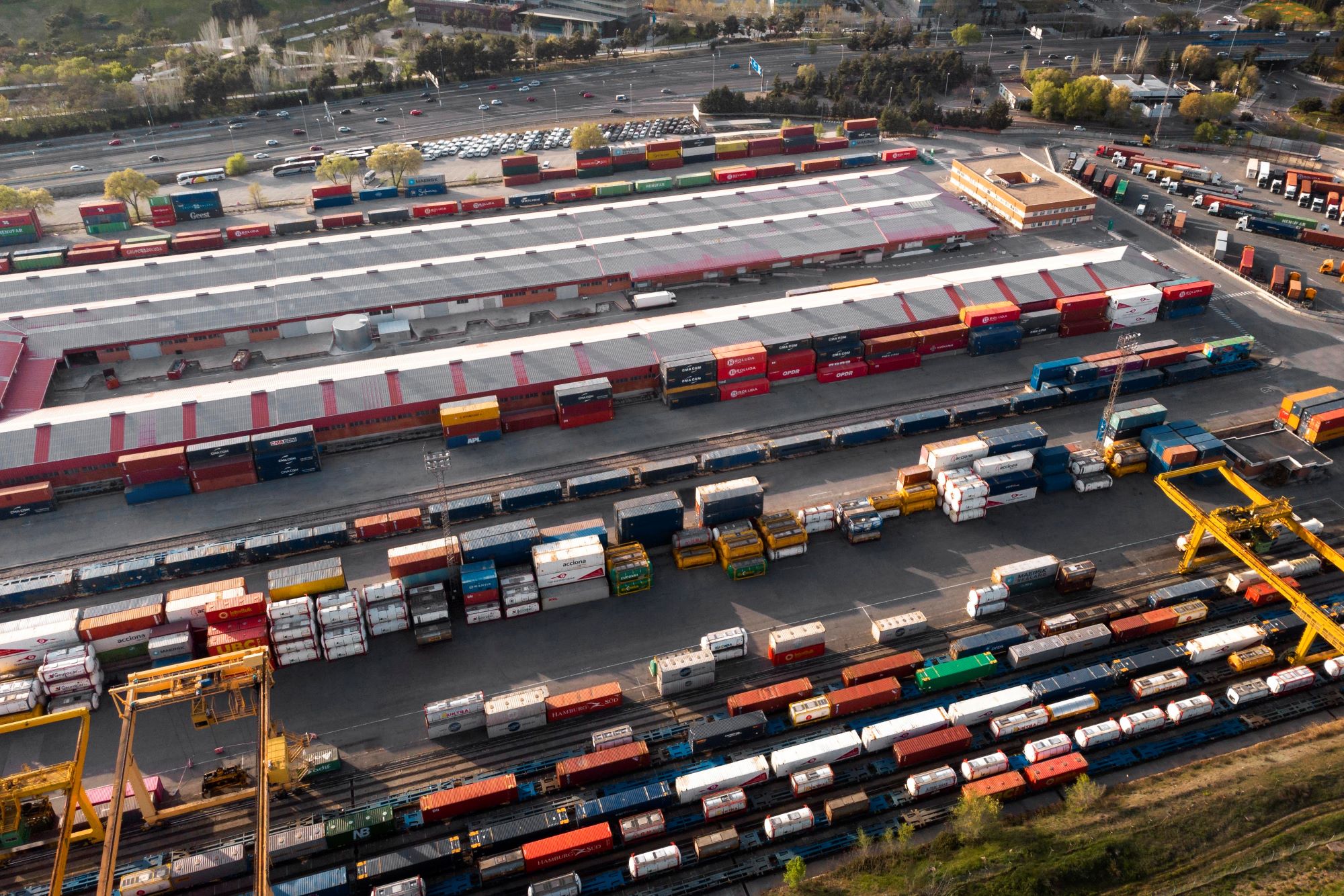
Global transport and logistics networks face constant disruption — from fluctuating demand and fuel costs to regulatory changes and cross-border complexity. Building resilient operations has become essential for maintaining service reliability and customer trust.
Resilient logistics operations are no longer defined by scale alone, but by visibility, coordination, and execution control across the entire supply chain.
“In logistics, resilience is built through preparation, process discipline, and real-time execution.”
OPSIVRA Logistics Operations Team
Operational Challenges in Transport & Logistics
Many logistics providers struggle with fragmented dispatch systems, limited shipment visibility, manual documentation, and delayed exception handling. These gaps increase costs, delay deliveries, and reduce operational predictability.
Traditional outsourcing models often fail to deliver resilience due to poor coordination between back-office operations and on-ground transport teams.
How Hybrid Operations Strengthen Logistics Execution
Hybrid logistics operations integrate offshore coordination teams with on-ground fleet and warehouse teams. Offshore units manage planning, documentation, tracking, and reporting, while field teams focus on execution and customer delivery.
- Dispatch Planning & Route Optimization
- Shipment Tracking & Status Reporting
- Documentation & Compliance Management
- Vendor & Carrier Coordination
- Fleet Performance Monitoring
- Exception & Delay Management
- Customer Communication & Updates
- SLA & KPI Tracking
Benefits of a Resilient Logistics Framework
By centralizing coordination and analytics offshore, logistics businesses gain round-the-clock operational visibility and faster decision-making. On-ground teams receive clearer instructions and proactive support during disruptions.
This leads to improved delivery reliability, lower operational costs, reduced downtime, and scalable growth across regions.
OPSIVRA’s Transport & Logistics Execution Model
OPSIVRA supports transport and logistics businesses through offshore process hubs in India combined with structured on-ground execution teams across the US, Australia, and the UAE.
Our hybrid model delivers standardized SOPs, real-time dashboards, defined SLAs, and full execution ownership — enabling logistics organizations to build resilient, future-ready operations.
As supply chains continue to evolve, resilience will define competitive advantage. Businesses that invest in hybrid operational excellence today will lead tomorrow’s logistics ecosystem.